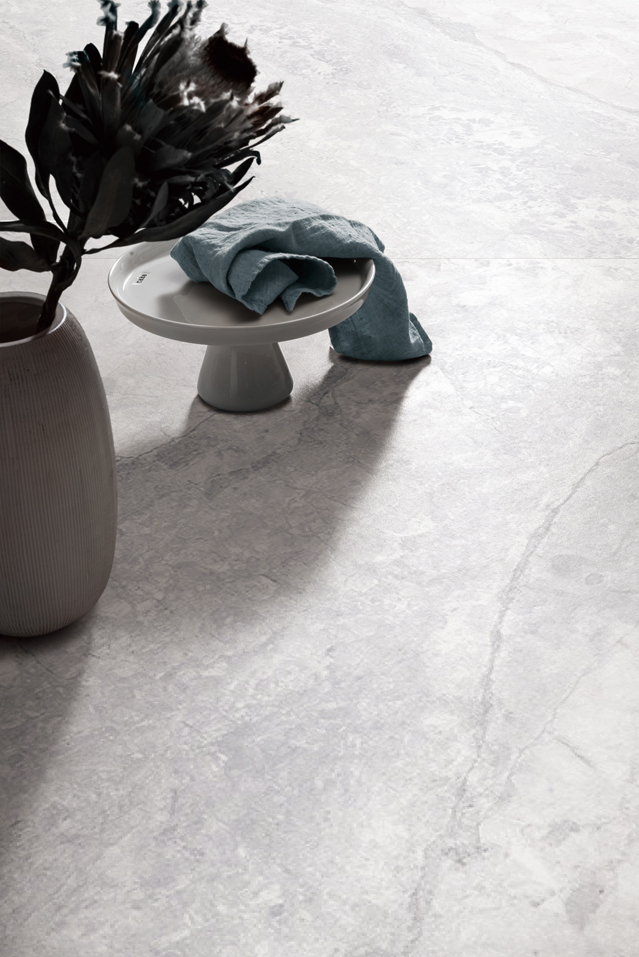


Tile Industry Embraces New Development Cycle: Intelligent Transformation and Industry Chain Collaboration Become Key Drivers
In recent years, amid global industry chain restructuring and the advancement of domestic “dual carbon” goals, China’s tile industry is undergoing a critical transition from traditional manufacturing to intelligent and green transformation. According to the latest industry data, in 2024, the main business revenue of large-scale building ceramic enterprises reached 785 billion yuan, a year-on-year increase of 5.3%, with investment in intelligent transformation growing by 28.6% year-on-year, demonstrating strong momentum for industry upgrading.
Body:
Technological Breakthroughs Lead Industrial Transformation
In equipment manufacturing, a new generation of intelligent production lines has achieved major breakthroughs. The newly developed ultra-wide energy-saving kilns, utilizing multi-layer three-dimensional drying technology combined with intelligent temperature control systems, have reduced energy consumption by over 35%. Digital inkjet printing technology has seen revolutionary progress; through 16-channel high-precision printhead design and intelligent color management systems, pattern resolution has increased to 4800 dpi, enabling ultra-realistic reproduction of natural materials like marble and wood.
In material innovation, the industry has achieved multiple groundbreaking results. The newly developed “glass-ceramic composite new material,” through unique crystalline phase control technology, gives the product a flexural strength of 120 MPa and increases wear resistance to class 5. The innovative “intelligent temperature-adjusting ceramic,” using phase-change energy storage materials, automatically adjusts according to ambient temperature, reducing indoor temperatures by 3-5°C in summer and increasing them by 2-4°C in winter, with significant energy-saving effects.
Green Manufacturing Reaches New Heights
Environmental technology innovation has become an industry consensus. The industry’s first “zero-carbon demonstration factory” has officially commenced operation, achieving over 85% renewable energy usage through integrated photovoltaic building design and smart microgrid systems. The innovatively developed “waterless forming technology” completely revolutionizes traditional production processes, enabling zero wastewater discharge throughout production with a 100% water saving rate. In solid waste resource utilization, the latest technology can convert construction waste and industrial by-products into high-quality ceramic raw materials, with a resource utilization rate exceeding 95%.
Carbon emission reduction technology has made significant progress. The industry has pioneered the application of “carbon capture and utilization technology,” converting carbon dioxide generated during production into carbonate raw materials, achieving both carbon reduction and resource utilization. The newly commissioned “hydrogen fuel kiln demonstration line,” using green hydrogen combustion technology, achieves zero carbon emissions in the production process.
Intelligent Manufacturing Reshapes Industrial Ecology
Digital transformation is advancing deeply. Intelligent factory management systems based on the industrial internet have seen comprehensive application, enabling real-time monitoring and intelligent optimization of the entire production process through digital twin technology. Intelligent logistics systems, using AGV robots and smart warehouse management systems, achieve fully automated flow from raw materials to finished products, increasing production efficiency by over 40%.
Quality control has achieved intelligent breakthroughs. AI-based quality inspection systems, utilizing high-resolution visual recognition technology, enable millisecond-level defect detection with accuracy rates exceeding 99.9%. Intelligent quality traceability systems, using blockchain technology, achieve full-process quality traceability from raw material procurement to product sales.
Market Structure Undergoes Deep Adjustment
Consumer demand exhibits new characteristics. The latest market research shows rapid growth in demand for customized products, with the market share of personalized custom products increasing from 25% last year to 38%. Health and environmental protection have become primary considerations, with sales of green-certified products growing 45% year-on-year. Growing demand for smart homes is driving the rapid development of the smart tile market, which is expected to see a compound annual growth rate exceeding 30% over the next three years.
International market expansion has achieved new breakthroughs. In 2024, exports of high-tech ceramic products increased by 35% year-on-year, with exports of intelligent manufacturing equipment growing significantly by 42%. In countries along the “Belt and Road,” Chinese ceramic technical standards and intelligent equipment have gained widespread recognition, with multiple overseas smart factory projects successfully implemented.
Industry Chain Collaborative Innovation Development
Collaborative innovation across the industry chain has become a new trend. Upstream equipment manufacturers and ceramic producers are cooperating deeply to jointly develop a new generation of intelligent production lines. Raw material suppliers, through technological innovation, are developing various functional ceramic materials to meet the differentiated needs of downstream enterprises. Design institutions are working closely with manufacturers to promote product design and application innovation.
Innovation service platforms are accelerating their development. The industry’s first “Ceramic Industry Innovation Center” has been officially established, integrating industry, academia, and research resources to focus on key technology R&D in intelligent manufacturing and green materials. Digital design platforms are developing rapidly, enabling full-process collaboration in design, production, and application through cloud-based cooperation.
Sustainable Development Prospects are Broad
Looking ahead, technological innovation will continue to drive industry development. By 2026, investment in industry intelligent transformation is expected to exceed 100 billion yuan, with smart factory penetration reaching over 60%. The proportion of green products will increase significantly, with green ceramic products expected to account for over 50% of the market by 2025.
The industrial ecosystem will continue to optimize. Through collaborative innovation across the industry chain, a more complete industrial ecosystem will form. Internationalization will further accelerate, with China’s intelligent ceramic manufacturing technology gaining greater development space in the global market. On the path of high-quality development, China’s tile industry is steadily progressing towards intelligence, green development, and internationalization, contributing Chinese wisdom and solutions to the development of the global ceramic industry.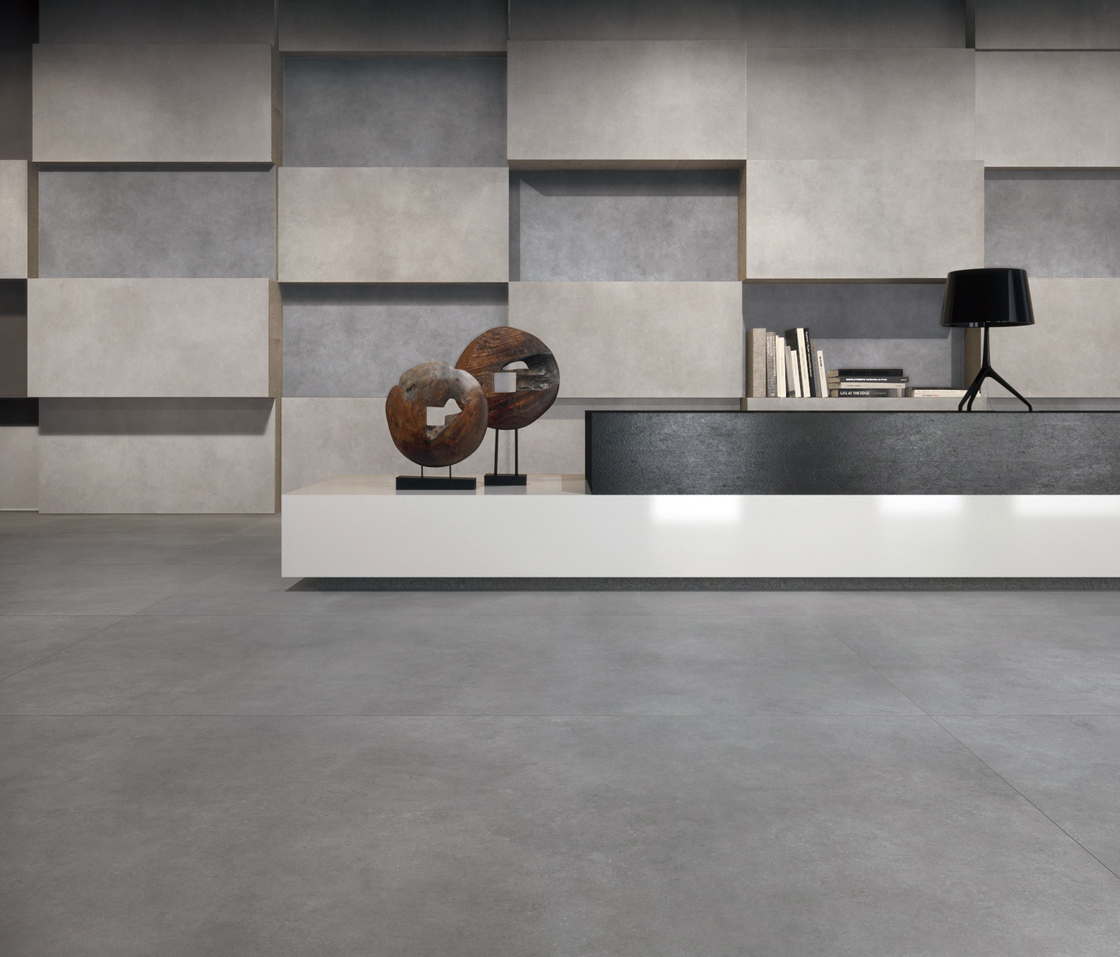
Related Posts
2026 Global Tile Market Trends: Australian Import Demand Surges 35%, Large-Format Slabs Become Mainstream